
The Long Game: How Your Daily Choices Shape Your Future Health
How Your Daily Choices Shape Your Future Health
Most people don’t think about their long-term health until something forces them to.
Pain.
Fatigue.
A diagnosis.
A moment where something just doesn’t feel right anymore.
But the truth is, long-term health is not something that suddenly appears — or disappears.
It’s something that is built slowly, over time, through the choices we make every day.
At Impact Laser Mobility & Recovery, we often remind people that the same things that help you recover from pain today are the same things that influence how you feel 10, 20, or even 30 years from now.
Healing and longevity are not separate conversations.
They are the same process, viewed over different timelines.
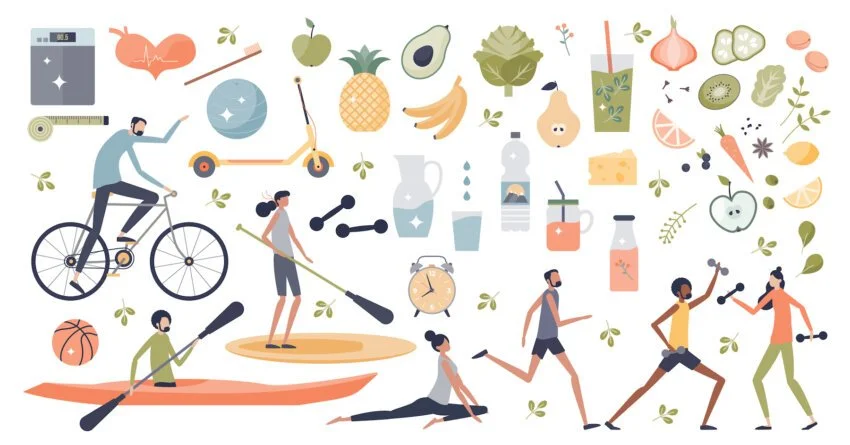
The Recovery Lifestyle
Why Consistency Matters More Than Intensity
When people are trying to heal, they often look for something powerful.
A stronger treatment.
A more advanced therapy.
A faster solution.
But the truth is, most healing doesn’t happen because of intensity.
It happens because of consistency.
At Impact Laser Mobility & Recovery, we’ve seen this pattern repeatedly. The people who experience the most meaningful and lasting improvements are not always the ones doing the most aggressive treatments — they are the ones who create an environment their body can rely on.
Healing is not just something that happens during an appointment.
It’s something that happens every day.
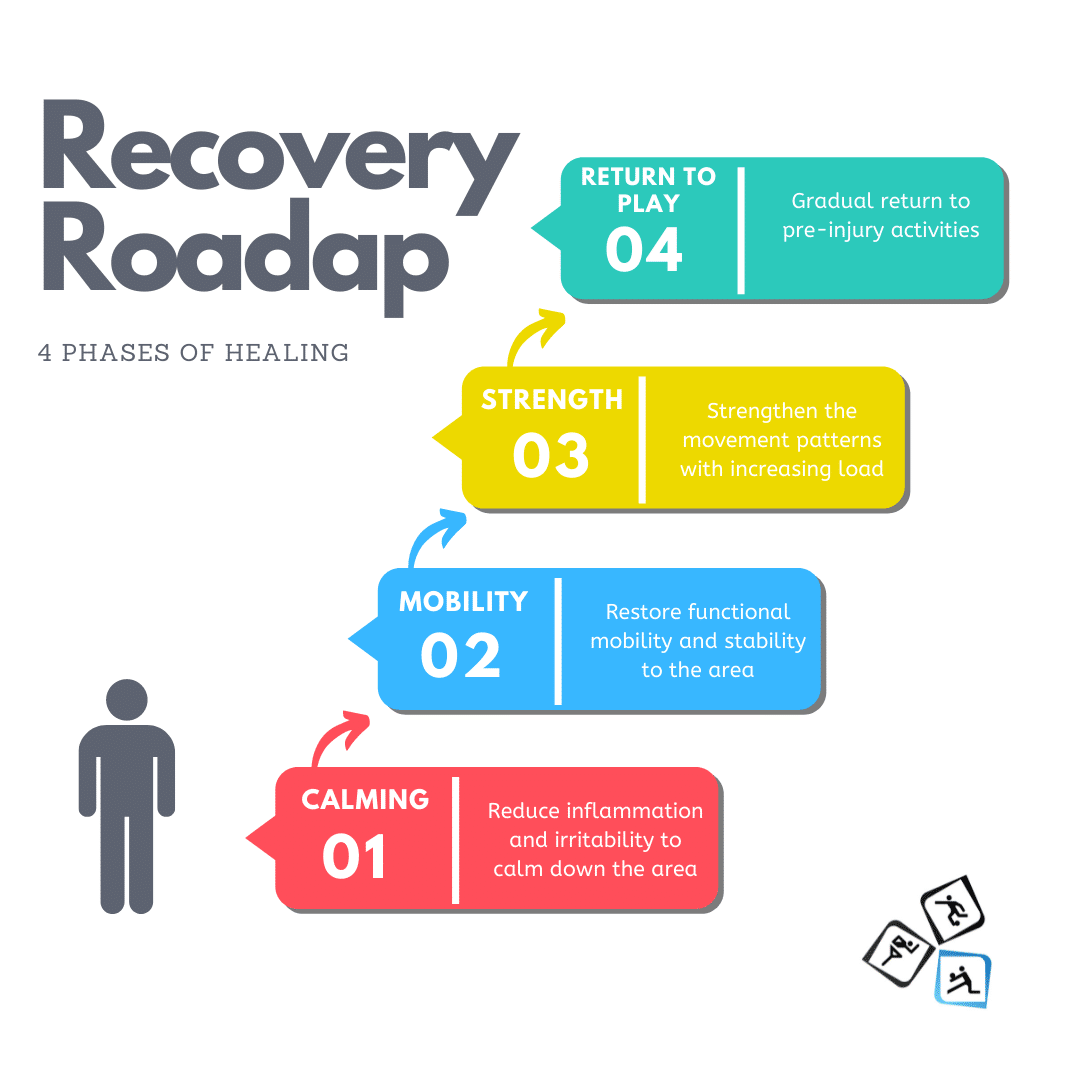
Why the Best Recovery Often Combines Multiple Approaches
The body doesn’t rely on a single mechanism to repair tissue. Healing is a coordinated process involving cellular energy, circulation, inflammation management, tissue remodeling, and nervous system signaling. When all of those systems are supported together, recovery tends to move forward more efficiently.
At Impact Laser Mobility & Recovery, we often see the best results when therapies are thoughtfully combined. Each tool supports a different part of the healing process, and when they are applied strategically, they can reinforce one another.
Why Some Injuries Heal — And Others Don’t
Most people expect injuries to heal with time.
You rest.
You stretch.
You ice.
You wait.
And sometimes, that works.
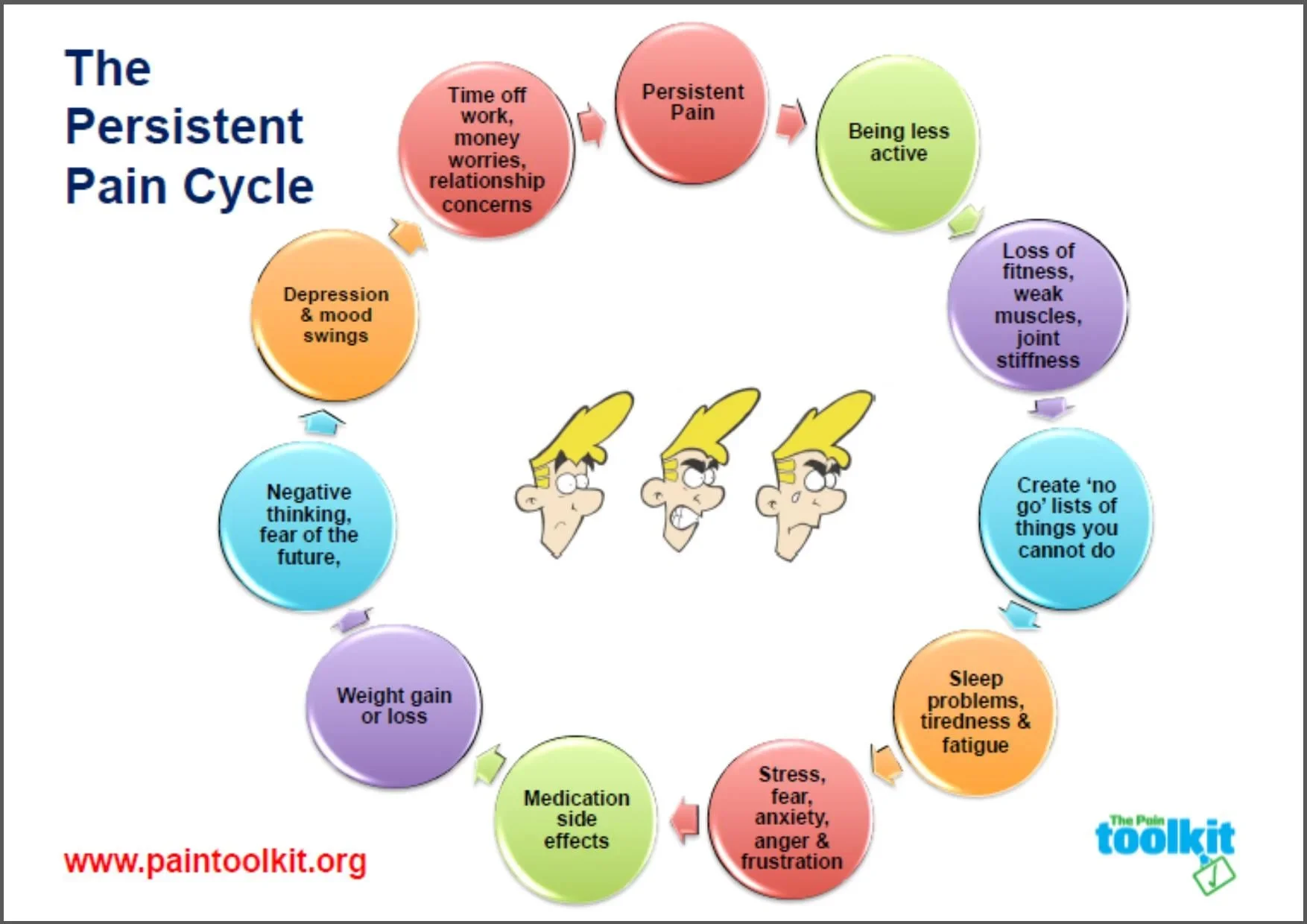
But many people experience something very different. An injury that should have healed lingers. Pain improves a little, then returns. Progress feels inconsistent. Eventually, the injury becomes something you “manage” rather than something that resolves.
This isn’t because your body forgot how to heal.
It’s usually because the healing process never fully completed.
At Impact Laser Mobility & Recovery, we often describe this as the chronic injury loop — a cycle the body gets stuck in when the environment for healing isn’t quite right.
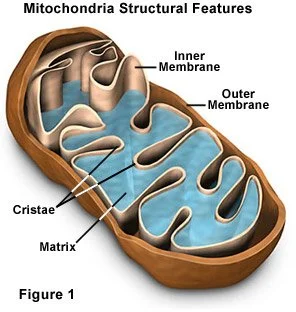
Your Body’s Healing Engine:
Healing From the Inside Out (In a Very Real Way)
When we talk about healing from the inside out, we are not speaking metaphorically. We mean supporting the actual biological systems — especially energy production — that make healing possible.
Better energy supports better repair.
Better repair supports better movement.
Better movement supports a better life.
Understanding this helps people stop blaming their bodies and start working with them instead.
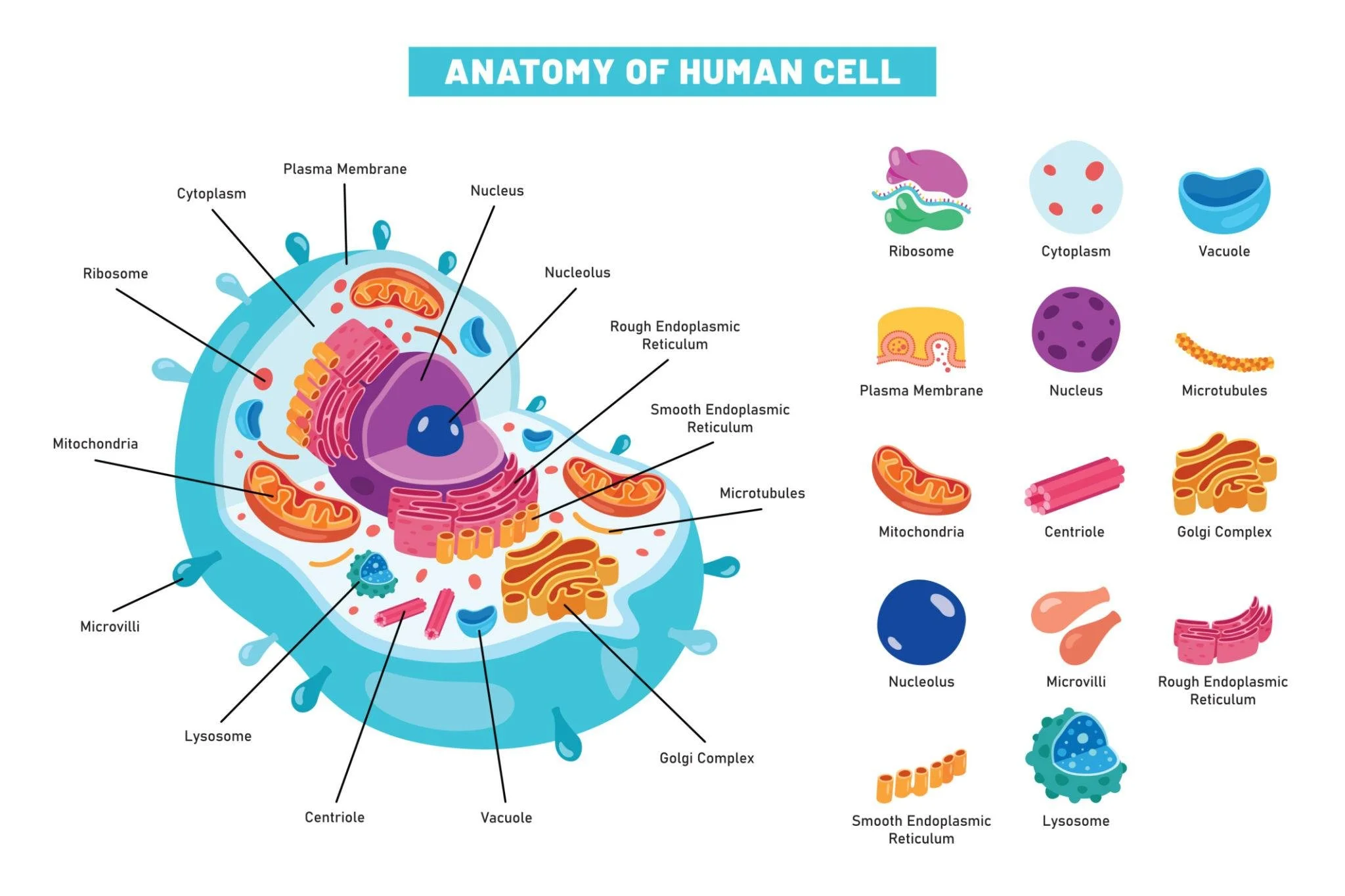
The Cellular Model of Pain & Healing:
Chronic pain doesn’t usually start where you feel it. It often begins at the cellular level — where energy production, inflammation control, blood flow, and tissue repair all take place. In this article, we explain the cellular model of healing and why supporting your body from the inside out is key to resolving long-standing pain and restoring normal recovery.

6 Ways to Use Class Four Laser Therapy for Sports Injuries at Impact Laser, Mobility & Recovery
Athletes who want to stay in the game, on the court, or on the trail, while dealing with a pain or injury use class IV laser therapy to recover, and heal faster. Amarillo, TX. Impact Laser, Mobility & Recovery