Longevity Diet During for Life-Long Health
Longevity Diet & Lifestyle Nutrition
Once active treatment is complete and healing has stabilized, the focus naturally shifts from recovery to long-term health.
The longevity diet at Impact is not a short-term protocol or rigid plan. It is a flexible, sustainable approach to eating designed to support joint health, metabolic health, cellular function, and overall quality of life as you age.
This approach builds on the foundation established during recovery—while allowing more freedom, variety, and enjoyment..
How This Differs From the Recovery Diet
At Impact, nutrition is viewed in phases, not permanent rules.
Recovery Diet: Short-term, more structured, designed to support healing during treatment
Longevity Diet: Long-term, flexible, designed to support health for years
The longevity diet is not about staying in “recovery mode.” It is about living well beyond treatment.
Core Principles of the Longevity Diet
1. Consistency Over Perfection
Long-term health is built through repeatable habits, not strict rules. The goal is sustainability—habits you can carry through different seasons of life.
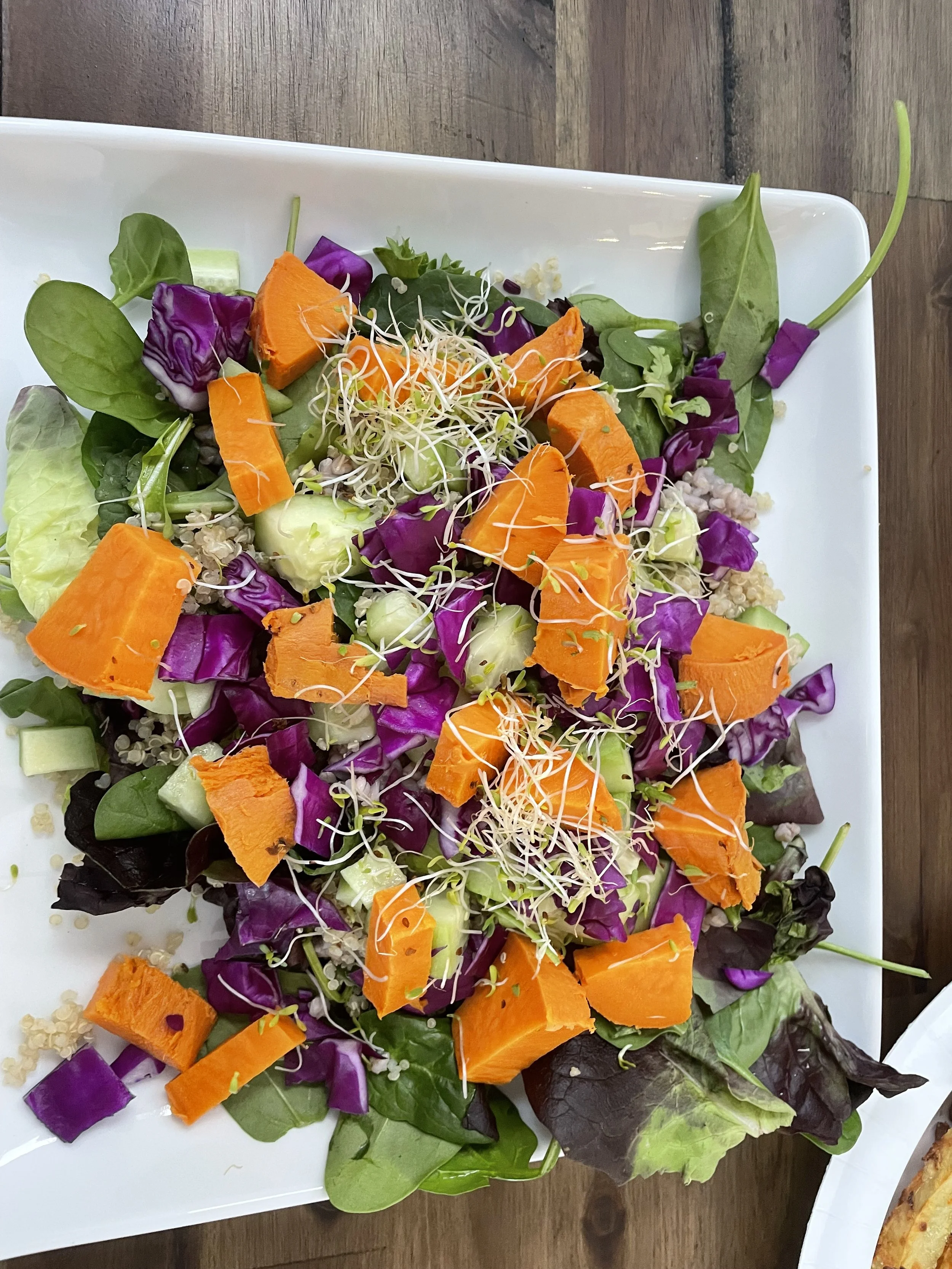
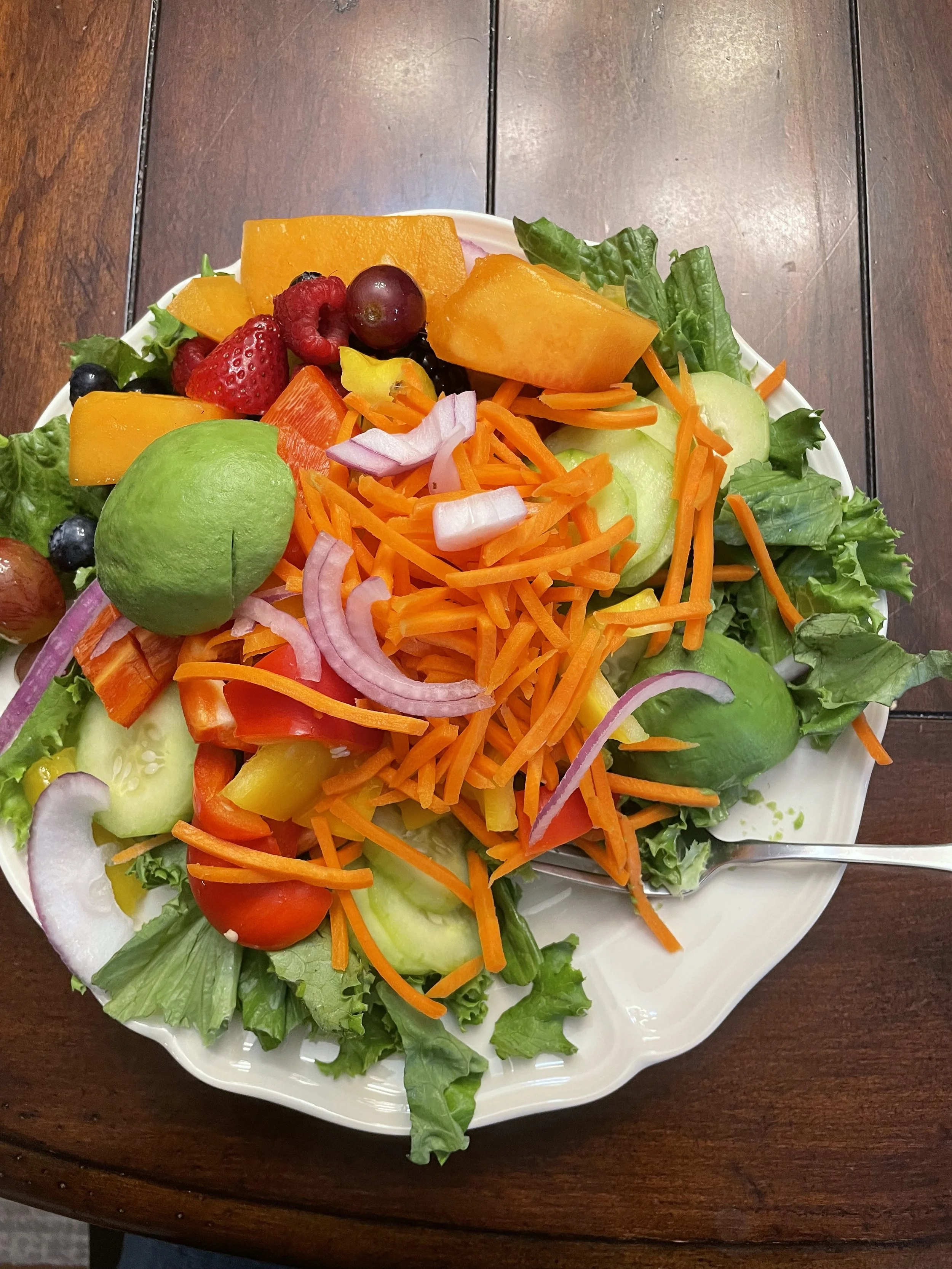
2. Prioritize Whole, Unprocessed Foods
Whole, minimally processed foods form the foundation of longevity-focused eating.
Diets centered on whole foods are associated with:
Lower chronic inflammation
Better cardiovascular and vascular health
Improved gut and metabolic function
Reduced oxidative stress at the cellular level
Greater nutrient intake without excess calories
Rather than focusing on individual nutrients, the longevity diet emphasizes patterns of eating that consistently support the body over time.
3. Plant-Based Proteins as a Foundation
In a longevity-focused approach, plant-based proteins become a core habit, not just a recovery strategy.
Plant-based protein sources provide:
Protein for muscle and tissue maintenance
Fiber to support gut and metabolic health
Micronutrients and phytonutrients that support cellular resilience
A lower inflammatory burden when consumed regularly
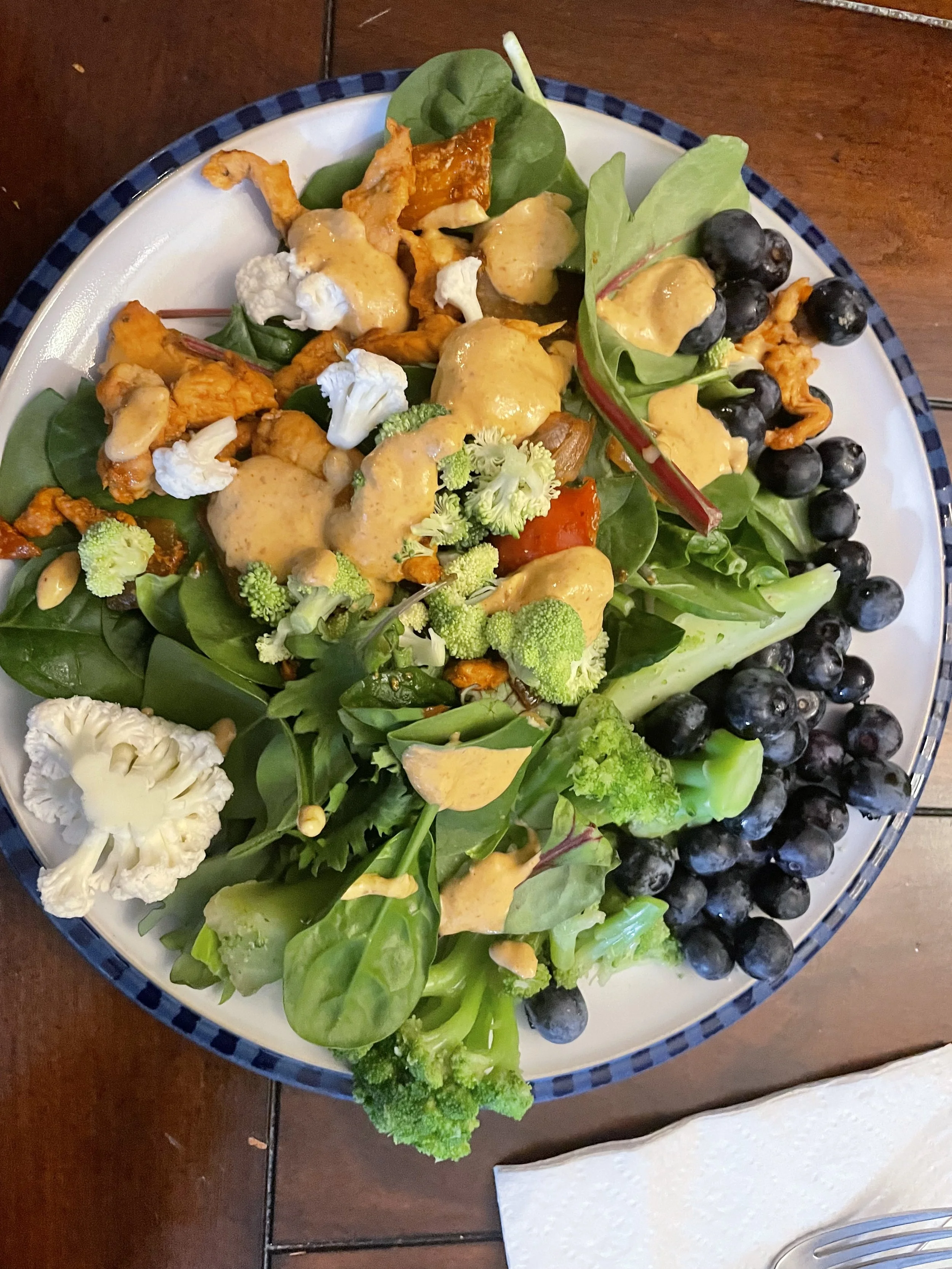
Meals are often plant-forward, with animal proteins used more selectively based on preference and tolerance.
4. Prioritize Consistent Hydration
Adequate hydration is one of the most overlooked contributors to long-term health and longevity.
Proper hydration supports longevity because it:
Supports circulation and nutrient delivery to tissues and organs
Helps maintain joint lubrication and connective tissue health
Supports kidney function and natural detoxification pathways
Improves cellular communication and metabolic efficiency
Supports cognitive function, energy levels, and physical performance
Helps regulate appetite, digestion, and blood sugar stability
Chronic low-level dehydration is associated with increased strain on the cardiovascular system, reduced physical resilience, and accelerated aging processes. Consistent hydration supports the body’s ability to function efficiently over time.
Longevity hydration is not about extremes—it is about daily consistency.
What We Learn From the World’s Longest-Living Populations
Across the world’s longest-living regions—often referred to as the Blue Zones—dietary patterns are remarkably consistent.
One of the most consistent findings:
Beans are a cornerstone of longevity.
In these regions, people regularly consume:
Beans
Lentils
Chickpeas
Other legumes
These foods provide sustainable protein, high fiber intake, broad nutrient density, and long-term inflammation balance. In longevity eating, beans are often a daily staple, not an occasional side.
Longevity-Friendly Protein Choices
Plant-Based Protein Examples
Beans and lentils
Chickpeas
Black beans
Split peas
Tofu or tempeh
Edamame
These foods can serve as primary protein sources or be paired with smaller portions of animal protein as desired.
Animal Protein in a Longevity Context
Animal proteins are not eliminated, but they are typically:
Consumed in smaller portions
Used less frequently
Balanced with plant-forward meals
This approach supports muscle preservation and enjoyment without over-reliance.
Carbohydrates, Fats, and Flexibility
Carbohydrates
In the longevity phase, carbohydrates are less restricted and chosen based on tolerance, activity level, and lifestyle.
Examples include fruits, vegetables, whole grains, and starchy vegetables.
Fats
Healthy fats support hormonal health, satiety, and joint health over time.
Common sources include olive oil, avocado, nuts, and seeds (especially chia seeds and flax seeds).
Supplements: A Cyclical, Long-Term Approach
In a longevity-focused lifestyle, supplements are viewed as tools, not requirements.
Rather than taking the same supplements year-round, Impact encourages a cyclical approach that reflects real life:
Foundation phases for general support
Short recovery phases after injury or increased demand
Stress or immune-support phases during demanding seasons
Intentional breaks where diet and lifestyle take priority
Sometimes, the most supportive phase is using fewer supplements—or none at all.
Who This Approach Is For
The longevity diet is ideal for:
Clients transitioning out of treatment
Sauna and recovery membership clients
Individuals focused on long-term mobility and joint health
Those seeking sustainable, anti-inflammatory habits
Anyone wanting to age actively and intentionally
How Nutrition, Recovery, and Lifestyle Work Together
Longevity is not built through food alone.
At Impact, long-term health is supported through:
Thoughtful nutrition
Regular movement and mobility
Recovery tools such as deep tissue laser, sauna and cold compression
Stress management and sleep support
Nutrition sets the foundation—lifestyle determines the outcome.
A Final Word on Longevity
The longevity diet is not about restriction or rigid rules. It is about building habits that support movement, independence, and quality of life for decades to come.
If you have questions about transitioning from recovery nutrition into a longevity-focused approach, our team is always happy to help guide you.
Important Disclaimer
This information is intended for educational purposes only and is not intended to diagnose conditions, prescribe medical nutrition therapy, or replace individualized medical or dietary care.