Recovery Diet During Treatment
Short-Term Nutrition to Support Healing
When you are actively receiving treatment at Impact—whether laser therapy, or focused shockwave therapy—your body is in a heightened healing phase. During this window, nutrition plays a supportive role by reducing excess inflammation and providing the raw materials your tissues need to repair and recover.
This recovery diet is designed to be short-term and intentional, supporting your body during treatment before transitioning into a more flexible, long-term way of eating.
How This Fits Into the Bigger Picture
At Impact, we think about nutrition in phases, not forever rules.
Recovery Diet (this page): Supports healing while you are in care
Longevity Diet (future): Supports joint health, mobility, and overall wellness long term
Most clients follow the recovery diet for the duration of their treatment program, then transition into a longevity-focused approach once healing has stabilized.
Why Nutrition Matters During Active Treatment
Recovery therapies work by stimulating circulation, cellular energy (ATP), and tissue repair. Nutrition supplies the raw materials your body needs to respond effectively.
During this phase, supportive nutrition can help:
Calm excess inflammation
Support collagen and tissue repair
Improve circulation and oxygen delivery
Enhance recovery between sessions
The goal is not restriction or perfection—it is supporting healing efficiently.
The Recovery Plate (Simple + Temporary)
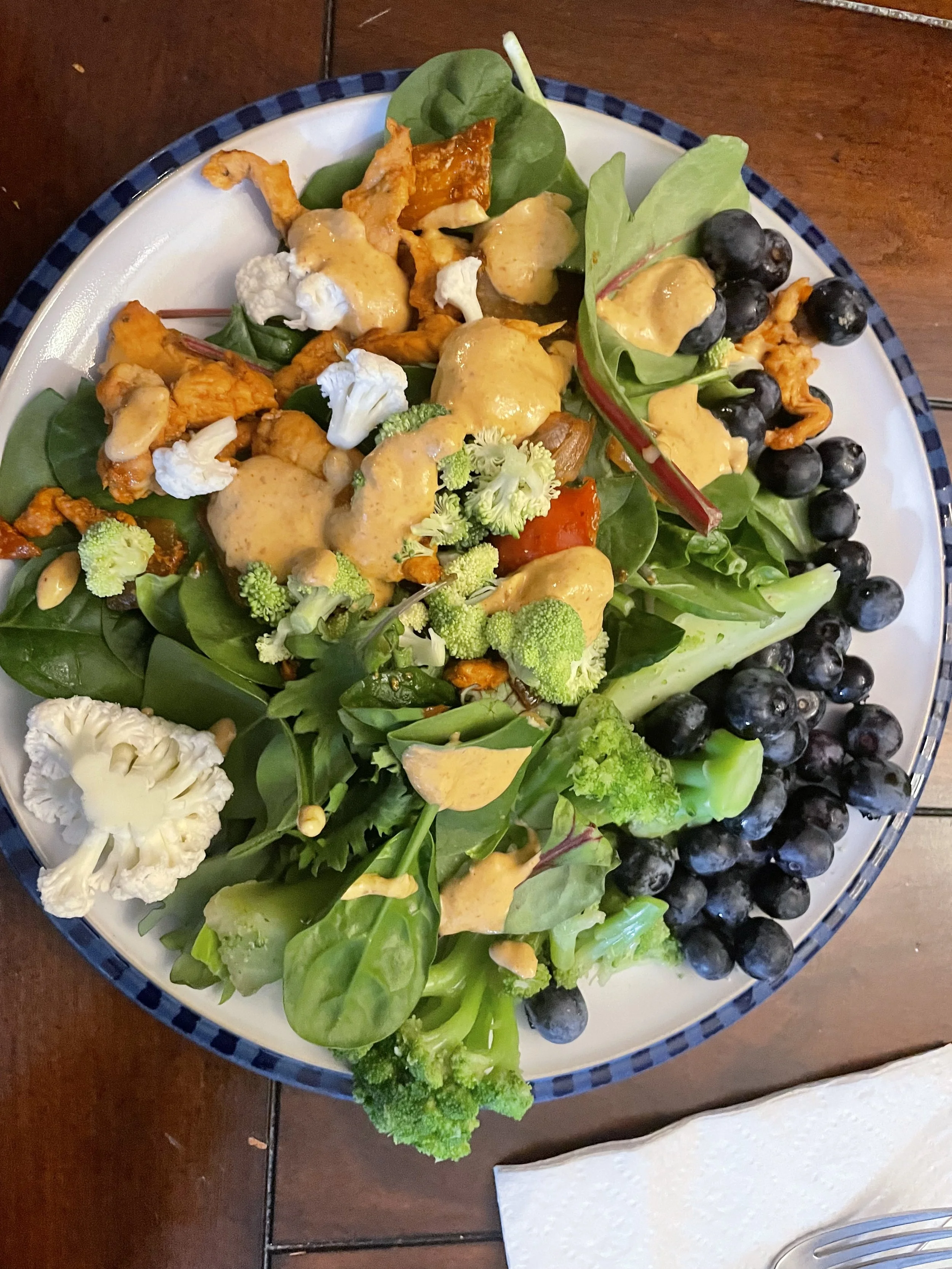
During treatment, aim for a more structured plate at most meals:
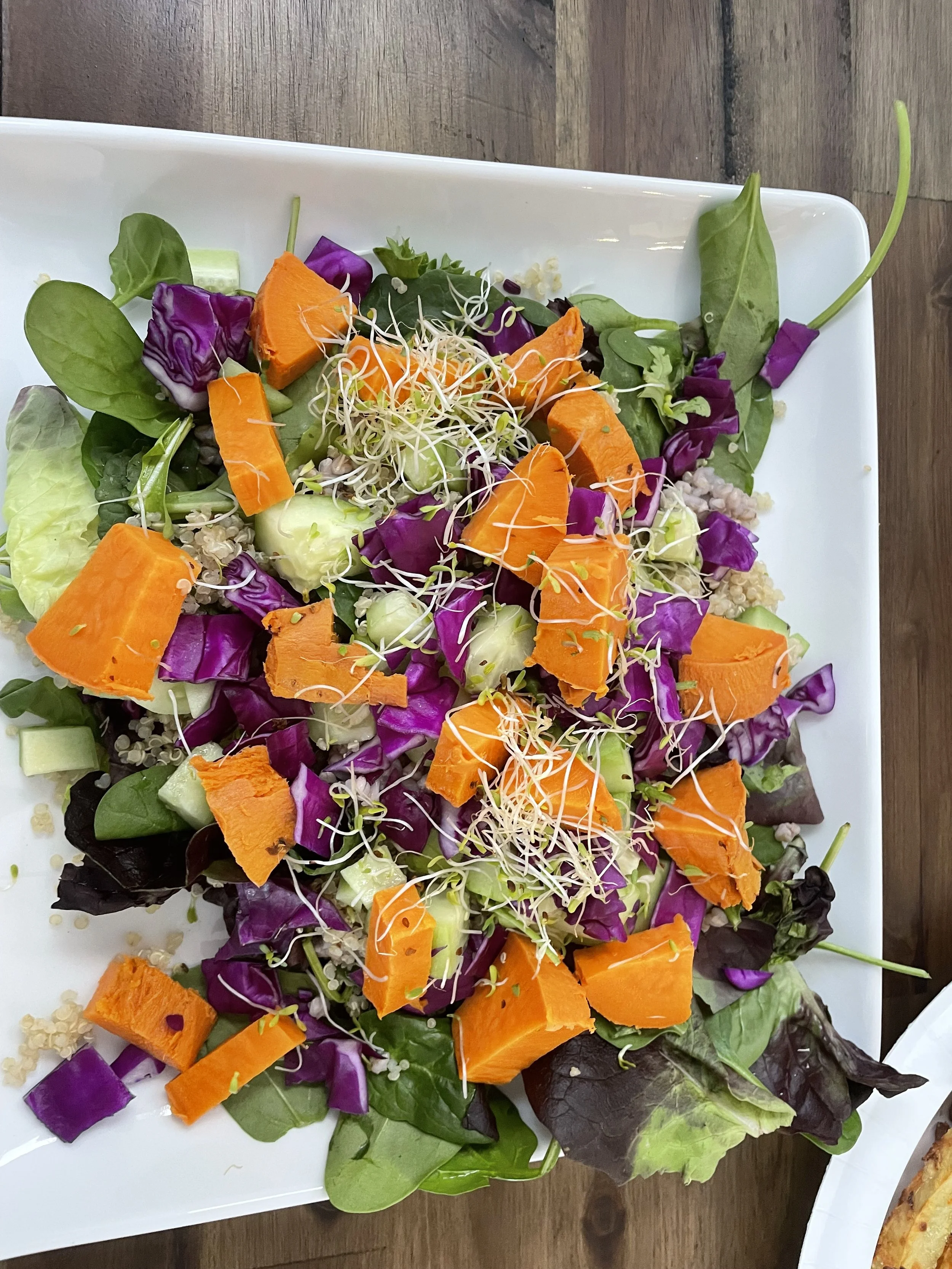
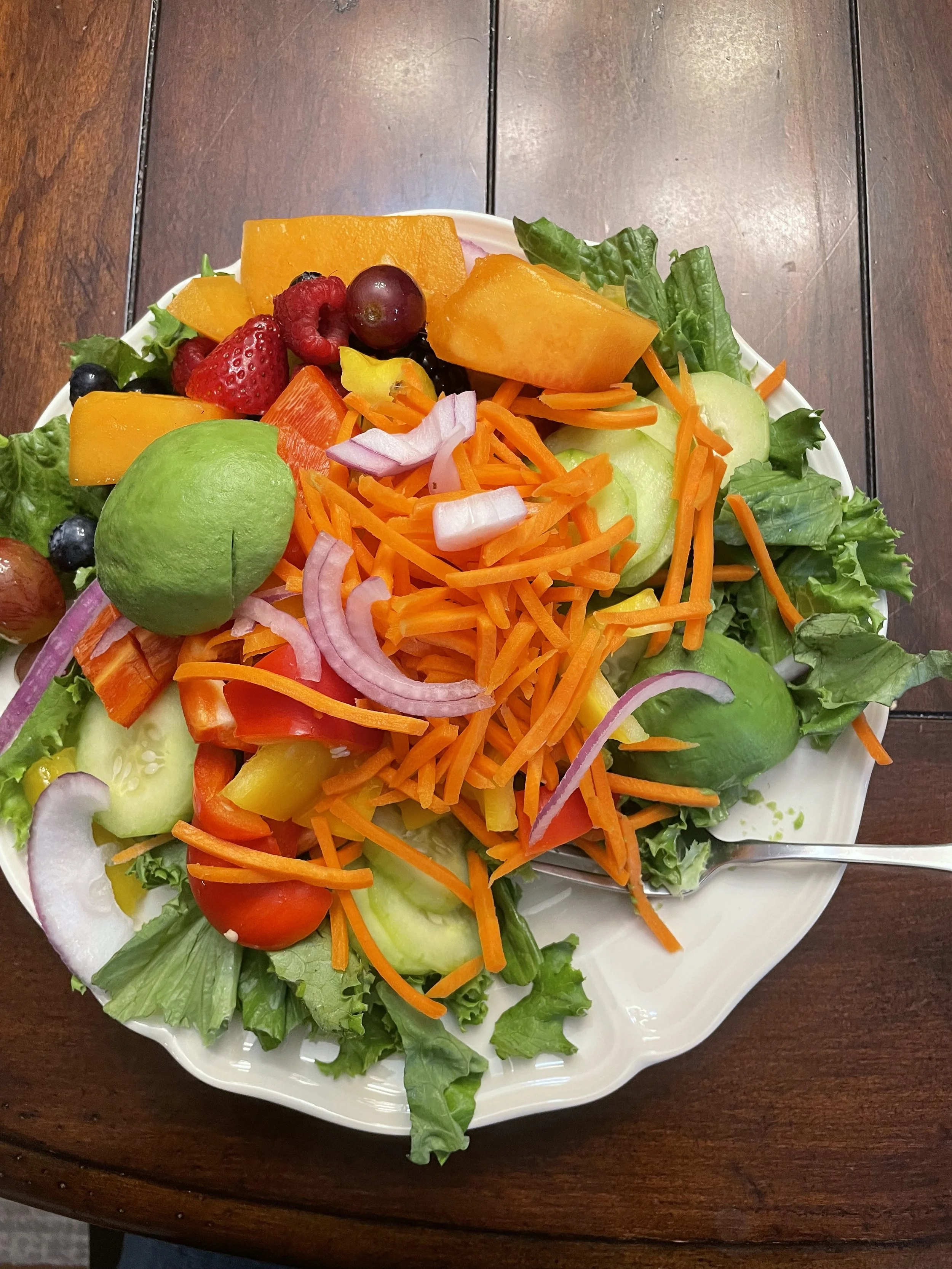
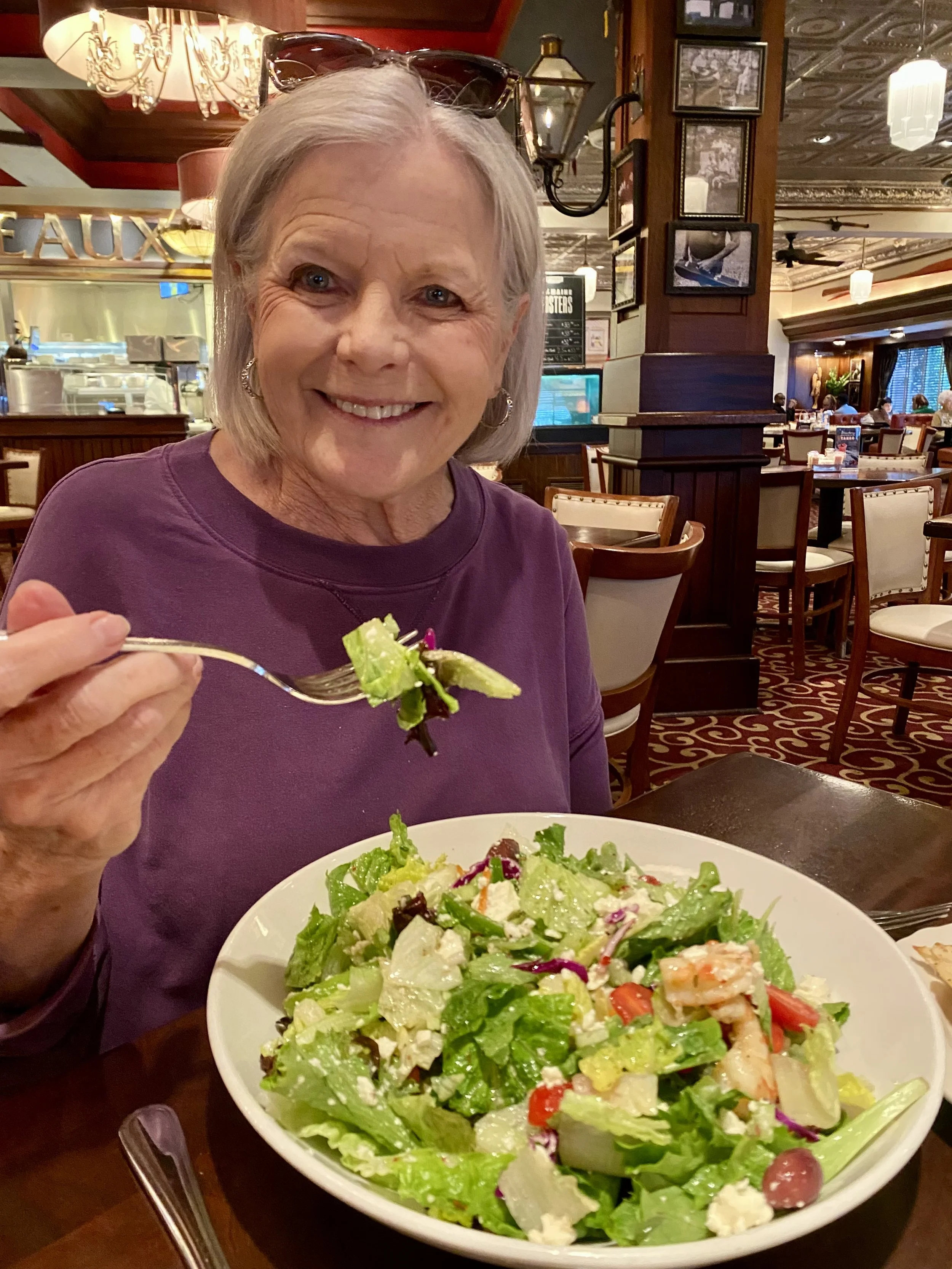
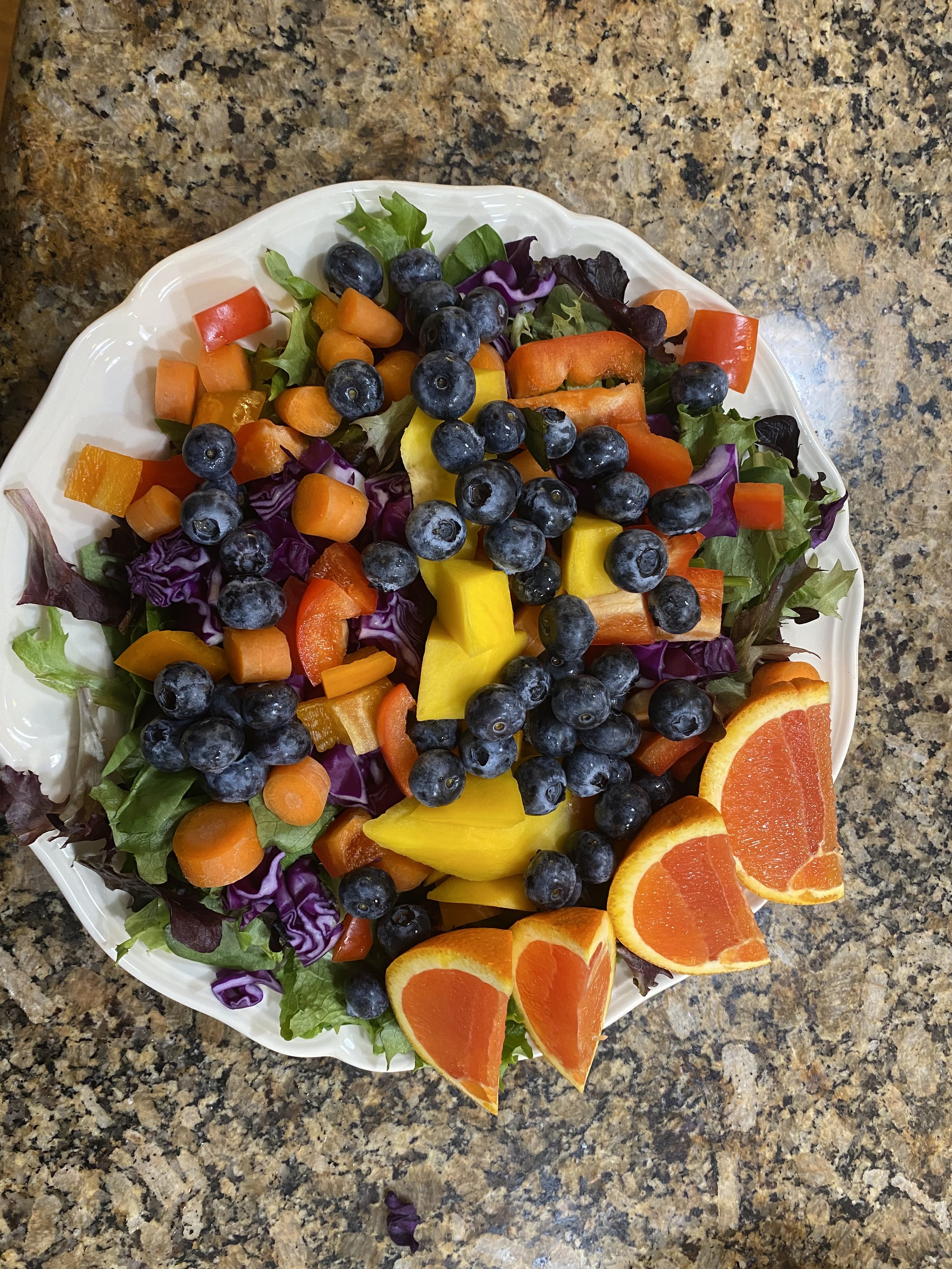
½ plate: Leafy greens and colorful vegetables
¼ plate: Protein (with an emphasis on plant-based sources)
¼ plate: Whole-food carbohydrates (as tolerated)
Fats: Small amounts from whole, anti-inflammatory sources
Hydration is essential and should be prioritized daily.
This structure is temporary and becomes more flexible once treatment is complete.
Foods to Prioritize During Treatment
Vegetables First
Leafy greens and colorful vegetables provide antioxidants and micronutrients that support inflammation balance and cellular repair.
Examples: spinach, kale, arugula, romaine, broccoli, peppers, carrots, beets
Protein at Every Meal (With a Plant-Based Emphasis)
Protein is essential for tissue repair—but where that protein comes from matters, especially during active healing.
At Impact, we often encourage clients to emphasize plant-based protein sources during recovery because they offer benefits beyond protein alone.
Why Plant-Based Proteins Are Especially Supportive During Recovery
Plant-based proteins provide:
Protein to support tissue repair
Fiber to support digestion, blood sugar balance, and inflammation control
Micronutrients and phytonutrients that support cellular health
A more alkaline influence, which may support recovery and inflammation balance
Because they are often easier to digest and less inflammatory for many people, plant-based proteins can be especially helpful during a healing phase.
Recovery-Friendly Plant Protein Examples
Beans and lentils
Chickpeas
Black beans
Split peas
Tofu or tempeh
Edamame
These can be used as primary protein sources or combined with smaller portions of animal protein, depending on tolerance and preference.
What About Animal Protein?
Animal proteins can still play a role in recovery—especially for clients with higher protein needs or good tolerance. During active treatment, we generally recommend:
Smaller portions
Leaner sources
Less frequent reliance compared to plant-based options
The goal is not elimination—it is choosing the most recovery-supportive option during a short-term healing window.
Hydrating, Nutrient-Dense Foods
Foods with high water and mineral content support circulation and recovery.
Examples:
Cucumbers and celery
Citrus fruits and berries
Soups and mineral-rich broths.
Small Amounts of Healthy Fats
Fats support inflammation balance but are best kept moderate during active healing.
Examples:
Olive oil
Avocado
Chia seeds
Fatty fish
Foods to Temporarily Limit
While healing, it can be helpful to reduce foods that may slow recovery or increase inflammation:
Fried or heavily processed foods
Restaurant oils and seed oils
High-fat dairy products
Fatty or processed meats
Sugary drinks and desserts
Excess alcohol
These foods are not “bad”—they are simply less supportive during the healing phase.
Recovery Smoothie (Optional Support)
A simple smoothie to support hydration and nutrient intake:
Leafy greens (spinach or kale)
Cucumber or celery
Full-pulp orange juice
Fresh or frozen berries
1 teaspoon chia seeds
This can be used between meals or after treatment sessions.
Supplements During Recovery (Important Context)
At Impact, supplements are used as short-term support tools, not lifelong requirements.
Chronic Recovery Programs
Most chronic programs include a recommended one-month supply of targeted supplements, selected to support:
Tissue repair
Inflammation balance
Recovery between sessions
These supplements are intended to support your body during the active treatment window, then be reassessed as you transition into long-term care or maintenance.
Acute Injury & Athletic Recovery
For acute injuries and athletic recovery, we also offer a separate recovery supplement bundle designed with active individuals and athletes in mind.
This bundle is intended to support:
Faster tissue recovery
Higher physical demand
Training and competition schedules
Like all recovery supplements, this bundle is short-term and supportive, not intended for indefinite use.
What Clients Often Notice
Clients who pair treatment with recovery-focused nutrition often report:
Less post-treatment soreness
Improved energy during care
More consistent progress
A smoother return to activity
Nutrition does not replace treatment—it supports the environment in which healing happens.
Transitioning Out of the Recovery Phase
Once treatment is complete and healing has stabilized, most clients benefit from transitioning into a longevity-focused approach to nutrition—one that is more flexible, sustainable, and designed for long-term joint and cellular health.
This next phase is not about staying in “recovery mode,” but about living well beyond treatment.
Important Disclaimer
This information is intended to support recovery and complement your treatment plan. It is not intended to diagnose conditions, prescribe medical nutrition therapy, or replace individualized medical or dietary care.
If you have questions about how this applies to your situation, our team is always happy to help guide you.